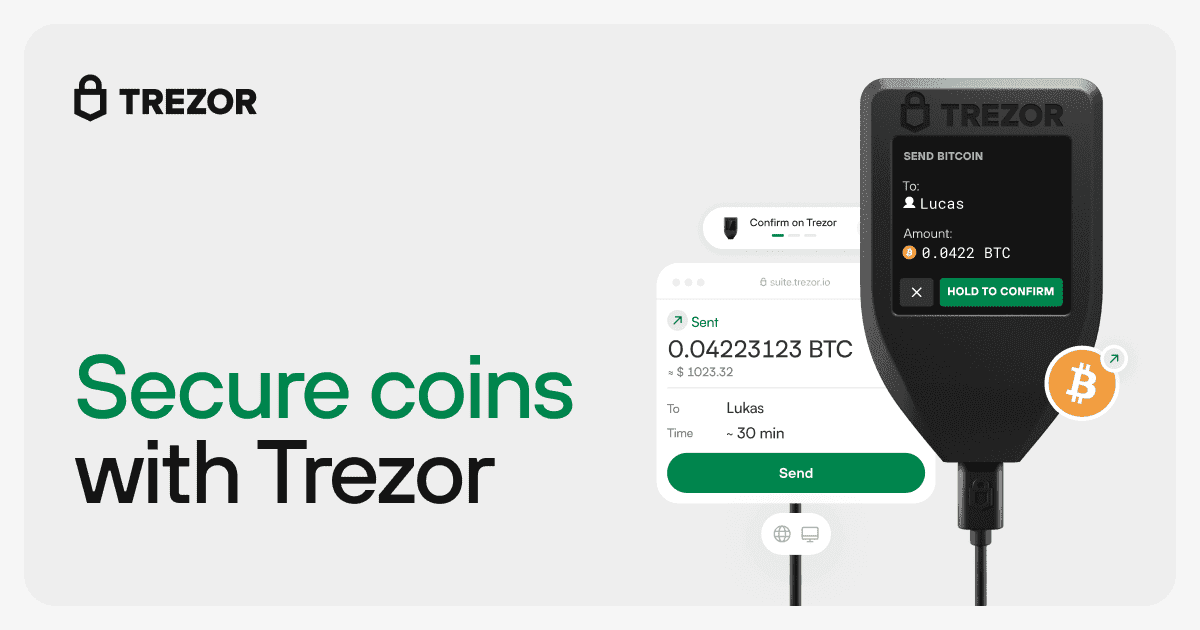
Trezor Login: Complete Guide to Accessing and Managing Your Hardware Wallet
Trezor is recognized as one of the safest and most reliable hardware wallets for storing cryptocurrencies. Since digital currencies are constantly evolving and the threat of cyber-attacks continues to increase, hardware wallets like Trezor play a crucial role in securing crypto assets. Trezor Login does not function like a common online username and password login. Instead, it uses a powerful authentication system based on private keys, seed phrases, and physical device verification. This approach ensures that only the rightful owner can access and authorize transactions.
In this comprehensive guide, you will learn everything about Trezor Login, including the core login process, device security, troubleshooting, and best practices for account protection. Whether you are new to Trezor or upgrading your existing knowledge, this guide will provide valuable insights to help you navigate the secure login environment with confidence.
What Is Trezor Login?
Trezor Login refers to the process of connecting and accessing your Trezor hardware wallet to manage cryptocurrencies, tokens, and digital identities. Unlike typical login processes that rely solely on a username and password, Trezor Login requires the physical presence of the device, along with a trusted interface like Trezor Suite or a browser extension. This ensures maximum resource security while eliminating risks like phishing and unauthorized access.
When logging into Trezor, the actual credentials used are your recovery seed and PIN, which never leave the device. Because these private details stay offline, hackers or malware cannot steal them through the internet. Trezor Login is therefore considered among the safest methods for cryptocurrency wallet authentication.
How Trezor Login Works
The Trezor login procedure is designed to ensure that users can authenticate themselves securely without revealing sensitive information.
Here is how the system functions:
You connect your Trezor hardware device to a computer or smartphone.
You open the Trezor Suite interface or supported wallet.
The system requests access authorization directly from the Trezor device.
You enter the PIN on the device, keeping keystrokes secure.
Once verified, the wallet gives access to crypto accounts and asset management options.
At no point does your PIN or seed phrase get exposed on the computer screen, reducing the chances of keylogging and other cyber threats. The login flow is safe from remote hacking attempts because your private keys remain locked inside the device.
Trezor Device Options for Login
Trezor currently offers two major hardware wallet models:
Trezor Model One
This is the original version, affordable and beginner-friendly. It offers robust security for essential cryptocurrencies.
Trezor Model T
A premium version featuring enhanced security, touchscreen capabilities, and broader coin support. The touchscreen makes PIN entry more secure since input is local to the device.
Both versions provide full login authentication security, ensuring users maintain exclusive control over their crypto funds.
Step-by-Step Guide: How to Log Into Trezor
Below is the standard login procedure using Trezor Suite:
Connect your Trezor wallet to your desktop or laptop using the USB cable.
Launch Trezor Suite.
If using the device for the first time, set up and initialize the wallet.
When prompted, enter your secure PIN on the Trezor device screen.
Confirm access to your wallet through the interface.
Manage cryptocurrency balances, send payments, and view transaction history.
If the wallet has passphrase protection enabled, you must enter the passphrase during login as an additional security step. Remember that your passphrase must never be shared or stored digitally where it can be compromised.
Logging Into Trezor on a New Device
If you need to access your wallet on a new computer:
Install and open Trezor Suite.
Connect the hardware wallet.
Enter PIN and passphrase if applicable.
Trezor Suite verifies authorization and grants access.
Because authentication is done purely through the hardware wallet, no data stored on the previous computer affects access. This flexibility is especially helpful for travelers or users switching devices.
Trezor Login Security Features
Trezor protects digital assets through multiple advanced security elements:
1. Recovery Seed Protection
A unique set of words generated during setup that acts as your ultimate access key.
2. Secure PIN Entry
PIN entry happens on-screen for Model T or through button sequences for Model One, preventing unauthorized display tracking.
3. Offline Private Keys
Private keys never leave your device, even during login.
4. Physical Access Requirement
No one can log into Trezor remotely; the device must be physically connected.
5. Firmware Verification
Every startup includes authenticity checks to prevent tampered systems from running.
These features secure your wallet against cyber intrusions and digital theft.
Trezor Login Through Passphrase Protection
A passphrase adds an optional extra layer of login security. It works like an additional secret word, creating new hidden wallets linked only to that passphrase.
Key characteristics:
Only you know the passphrase.
It is not stored on the device.
Each passphrase generates a new wallet instance.
If forgotten, no one—not even Trezor—can recover it. Therefore, users must create a safe, offline method to store this information.
Common Problems During Trezor Login and Solutions
Even with a seamless process, users may face issues. Here are common login problems and troubleshooting solutions:
Device Not Recognized
Try another USB port or cable.
Update device firmware and Trezor Suite.
Restart the computer.
Incorrect PIN Error
Double-check the randomized number layout.
If repeatedly incorrect, wait for cooldown time to expire.
Passphrase Not Accepted
Ensure correct spacing, capitalization, and characters.
If uncertain, check if a different passphrase wallet was used.
Browser Interference
Close conflicting browser extensions.
Clear device communication permissions.
Most issues are resolved by updating software and ensuring proper physical connections.
Protecting Your Recovery Seed and Login Credentials
The core of Trezor Login security rests on proper handling of your recovery seed, PIN, and passphrase. Follow these safety practices:
Never capture the seed phrase digitally.
Write it down on paper or use metal backup storage.
Keep backups in separate safe locations.
Avoid storing passphrases on cloud accounts.
Do not reveal your PIN while entering it.
Do not let others handle your hardware wallet.
Only download Trezor Suite from the official source.
These rules ensure that login authentication remains fully under your control.
Difference Between Login to Trezor Suite and Web-Based Wallet Access
Trezor Suite is the recommended login gateway due to its enhanced security controls and native compatibility with Trezor hardware. However, some third-party wallets also support Trezor Login. Keep in mind:
Suite offers direct control with full device integration.
Third-party wallets may allow more token support but come with more security responsibilities.
For maximum safety, especially while managing large digital assets, using Trezor Suite is strongly advised.
Why Trezor Login Is Safer Than Software Wallet Access
A software wallet stores private keys digitally, making them vulnerable to keyloggers, phishing scams, and malware. With Trezor Login:
Private keys stay offline.
Only approved transactions are executed physically.
Even compromised computers cannot initiate unauthorized transfers.
Therefore, hardware-based authentication provides the highest standard of crypto protection.
Who Should Use Trezor Login?
Trezor Login is ideal for:
Long-term crypto holders protecting high-value assets.
Traders seeking secure offline storage.
Individuals concerned about online scams and hacking.
Anyone managing multiple cryptocurrencies.
It keeps assets protected even with persistent cybersecurity threats targeting crypto users.
The Role of Trezor Login in Crypto Portfolio Management
Logging into Trezor allows users to:
View real-time portfolio values.
Send and receive cryptocurrency securely.
Manage decentralized finance assets through trusted integrations.
Track transaction history and export records.
Create and organize multiple accounts within the wallet.
Because transactions require physical approval, users maintain total control over outgoing funds.
Best Practices for a Smooth Trezor Login Experience
To maintain login efficiency and top-class security:
Keep firmware updated to the latest version.
Back up the seed phrase securely.
Use a memorable yet complex passphrase.
Do not use public computers for access.
If possible, maintain a dedicated secure device for crypto management.
Small steps like these provide long-term benefits and peace of mind.
Using Trezor Login for Multi-Currency Access
Users can log into Trezor to manage various cryptocurrencies such as:
Bitcoin
Ethereum
Litecoin
Cardano
Solana
ERC-20 tokens
The diversity allows users to maintain one secure login for a wide variety of digital assets, creating streamlined crypto management while maximizing protection.
Future Possibilities of Trezor Login
As blockchain technology advances, Trezor is expected to introduce innovative security and user experience updates. These may include more biometric encryption, additional blockchain support, and improved interfaces for seamless access and trading. The login system will continue evolving as crypto adoption grows globally.
Final Thoughts
Trezor Login is an essential process for anyone securing digital currencies using a Trezor hardware wallet. It ensures that only a verified owner can access crypto balances and approve transactions. By combining offline private key storage, device-based PIN entry, and optional passphrase protection, Trezor gives users complete control over their cryptocurrency holdings.
Understanding the login mechanism, maintaining backups, and following proper security guidelines are the keys to preventing unauthorized access and digital asset loss. With its strong foundation in cryptographic security, Trezor Login remains one of the most secure ways to manage cryptocurrencies in today’s increasingly connected world.